Internal Combustion Engine Car or Electric Car? The Pros and Cons Honestly Explained
When choosing a car, more and more people find themselves in a situation where the choice is no longer just "petrol or diesel." Electric cars have emerged as a serious alternative, and with them, questions have also arisen: is an electric car truly cheaper? Does the battery last? Can you even drive it in winter? And is the internal combustion engine already "yesterday's news" or still a practical choice?
In reality, there isn't one right answer. The best car depends on how you use it. In this article, we will calmly and impartially review the main pros and cons of internal combustion engine cars (petrol/diesel) and electric cars — from the perspective of your wallet, convenience, and environmental impact.
1. How do internal combustion engines and electric cars differ in everyday use?
An internal combustion engine car runs on fuel: petrol or diesel is burned in the engine, generating the energy needed for movement. An electric car, on the other hand, uses an electric motor and a battery where energy is stored during charging.
This difference seems technical, but in everyday life, it affects everything:
- how quickly you can "refuel",
- how much a 100 km drive costs,
- how often maintenance is required,
- how much you depend on weather and infrastructure,
- what the car's driving feel is like.
⛽ Internal Combustion Engine Car: Strengths and Limitations
Internal combustion engine cars have been in use for decades. The technology is mature, the infrastructure is in place, and most drivers are well-acquainted with this world. However, it also comes with its own costs and compromises.
Pros: Why is an internal combustion engine car still a reliable choice for many?
✅ 1. Fast refueling and long range
One of the biggest advantages is simplicity: you drive to a gas station, fill up the tank, and continue your journey. The entire process often takes 3–5 minutes.
Additionally, many internal combustion engine cars have a very long range — especially on highways. This makes them convenient for those who:
- frequently drive longer distances,
- regularly travel to another city,
- travel in areas where chargers are scarce.
✅ 2. Dense and familiar refueling network
Fuel stations are found in almost every region of Estonia, and using them doesn't require special planning. This means that even an unexpected trip or a longer journey won't cause stress: fuel can almost always be quickly topped up.
✅ 3. Wide model selection and aftermarket
The selection of internal combustion engine cars is vast — both in the new and used car markets. If your budget is limited or you want the most "car for your money," an internal combustion engine car might be more accessible.
✅ 4. Practical for certain tasks and loads
If a car needs to tow a trailer, make frequent long journeys, or operate as a "work vehicle," an internal combustion engine often remains a practical choice because:
- refueling is quick,
- range doesn't change as drastically with load and cold weather,
- repair and maintenance are familiar to many workshops.
Disadvantages: what to consider with an internal combustion engine car?
❌ 1. Emissions and environmental impact
The biggest drawback of an internal combustion engine is that exhaust gases are produced during driving. In addition to CO₂, other pollutants also affect air quality, which are particularly problematic in cities and high-traffic areas.
If reducing one's carbon footprint or moving "cleaner" is important to someone, this is the biggest drawback of an internal combustion engine.
❌ 2. More maintenance and more wear-and-tear components
A car with an internal combustion engine is mechanically more complex. This means more parts that wear out and require maintenance:
- oil changes and filters,
- belts and chains,
- exhaust system,
- turbo, EGR, DPF (depending on the car),
- clutch and gearbox (in some cases).
The older a car gets, the higher the probability of unexpected repairs.
❌ 3. Fuel prices fluctuate and costs can increase
Fuel prices depend on many factors that a driver cannot control. When prices rise, daily travel costs immediately increase as well. This is why some people are looking towards electric cars — they want to better predict their expenses.
❌ 4. An internal combustion engine is less efficient in city driving
Short trips, cold starts, and traffic jams represent the "most demanding operating mode" for an internal combustion engine. This means:
- higher fuel consumption,
- more wear and tear,
- more emissions.
⚡ Electric Car: a modern solution well-suited for a specific usage profile
Electric cars are no longer "a thing of the future." For many, they are already an everyday and convenient choice. However, it's important to understand: an electric car isn't always automatically "cheaper" or "better"; it largely depends on how and where you drive.
Pros: Why are electric cars a logical step for many?
✅ 1. Lower Energy Costs and Potentially Cheaper Driving
One of the strongest arguments for an electric car is that the energy cost per 100 km can be more affordable than for petrol or diesel — especially if:
- you can charge at home,
- you can charge at work,
- you use a cheaper electricity package.
Although prices and conditions may vary, an electric car gives many the feeling that daily travel is more financially controllable.
✅ 2. Less Maintenance, Fewer Wearing Mechanical Parts
Electric cars have fewer moving parts. There are no:
- oil changes,
- exhaust system,
- many engine-related wear parts.
This doesn't mean an electric car is "maintenance-free," but maintenance costs can be lower and servicing simpler.
✅ 3. Quiet and Smooth Driving Experience
Electric motors operate quietly, and acceleration is usually very smooth. For city driving, this is a big plus for many, as the car feels:
- “lighter” and more responsive,
- more comfortable in traffic jams,
- calmer and quieter.
✅ 4. Local emission-free travel
An electric car emits no exhaust gases while driving. This is a significant advantage, especially in cities where air quality and noise levels directly impact the living environment.
✅ 5. Home charging can be a great convenience
"Refueling" an electric car can happen while the car is already parked, for example, overnight at home or in a parking lot during the workday. For many, this means they don't have to visit a gas station at all — the car is simply "full" in the morning.
Downsides: When might an electric car be a more challenging choice?
❌ 1. Charging takes more time than refueling
Even with a fast charger, charging is usually slower than refueling. On a long trip, this means you need to account for:
- planning charging stops,
- potential queues,
- differences in charging speed.
This might not be an issue for daily commutes, but it's an important factor for longer journeys.
❌ 2. Range depends on weather and driving style
An electric car's range is not "set in stone." In winter, the range can decrease because:
- the battery operates less efficiently in the cold,
- heating the cabin consumes energy,
- short trips are less efficient.
Highway speed also affects range more than many people realize.
❌ 3. Purchase price can be higher
Many electric cars are more expensive to purchase than internal combustion engine cars in the same class. This means that while running costs might be lower, the initial investment is higher.
❌ 4. Battery aging and potential repair costs
The battery generally lasts a long time, but it's not "eternal." Over time, battery capacity decreases, which can affect the car's value and usability.
While major battery issues are not an everyday occurrence, it's important to know that if something serious happens, repair costs can be high.
❌ 5. Charging infrastructure and home charging options
An electric car is best suited for those who can conveniently charge at home or work. If you live in an apartment building and have no charging options, using an electric car becomes more complicated:
- you have to rely on public chargers,
- you need to plan charging more like "refueling",
- sometimes it can be inconvenient or time-consuming.
Which car is right for you? (A practical perspective)
While technology and emotions often go hand in hand, it's most sensible to consider your daily usage.
An electric car can be a very good choice if:
- you primarily drive shorter distances daily (e.g., in the city and its surroundings)
- you have home or workplace charging options
- you want lower maintenance costs
- you value quietness and a smooth ride
- you are okay with a longer trip requiring a bit more planning
An internal combustion engine car is a good fit if:
- you often drive long distances and want maximum flexibility
- you need quick refueling at any time
- you live in an area where chargers are scarce
- your purchase budget is limited and the used car market is important
- the car often needs to tow or operate in harsh conditions
Summary: The choice is not black and white
An internal combustion engine car remains a practical and versatile solution, especially for those who travel a lot, drive long distances, or need quick refueling and great flexibility.
An electric car, however, offers very convenient daily use, lower maintenance needs, and emission-free driving in urban environments — especially if charging at home or work is easy.
Ultimately, both solutions have their place. It's not just about technology, but about your lifestyle, driving habits, and possibilities.
🔌 Thinking about buying an electric car or already driving electric?
If you are considering buying an electric car or already own one, then one of the most important things for everyday convenience and keeping costs under control is a good charging solution.
🚘 A smart charger helps make charging simple and smart, for example:
- allows convenient charging at home or at work
- helps to better monitor charging costs and consumption
- enables scheduling charging (e.g., during off-peak hours)
- provides a better overview of how much energy the car actually consumes
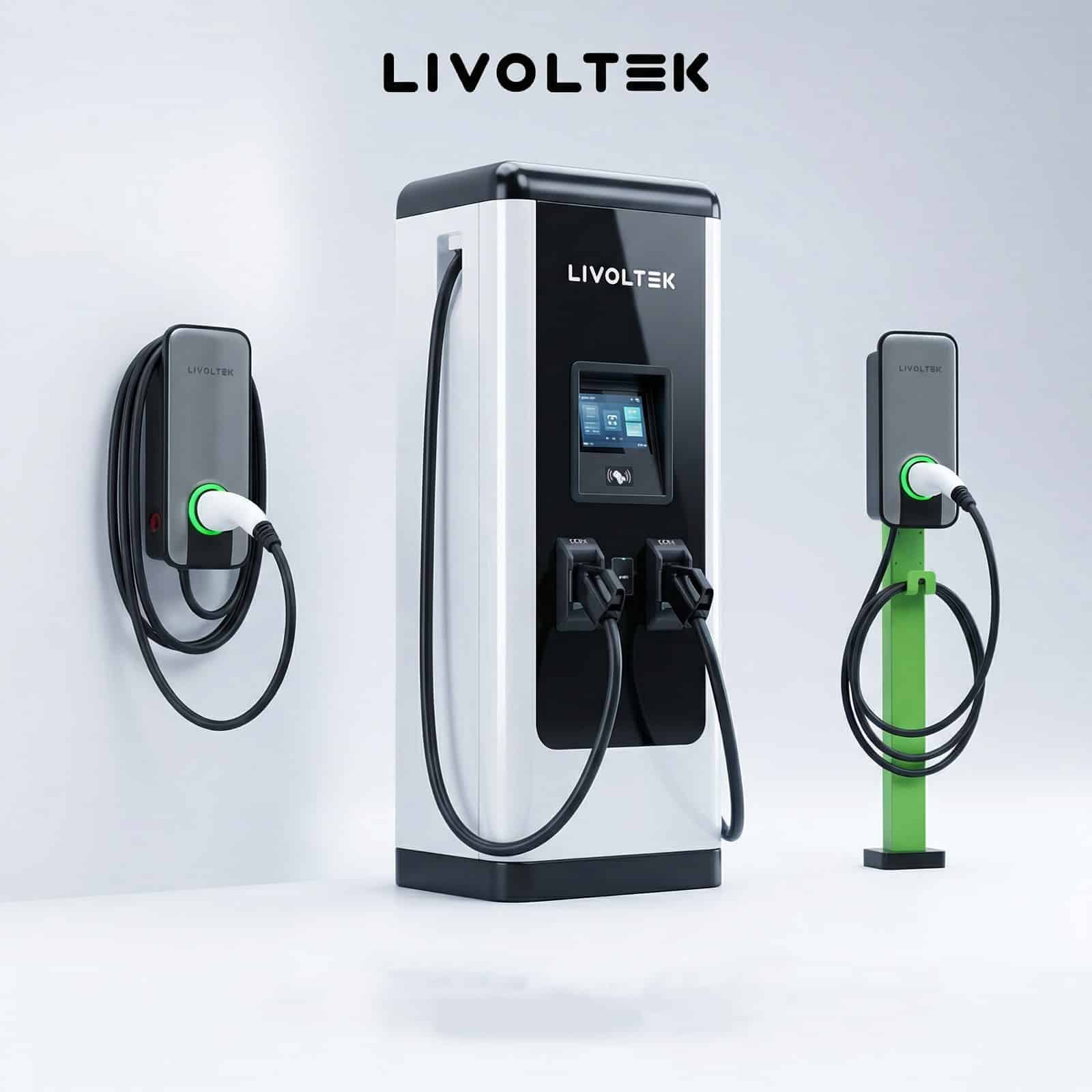
In addition to home solutions, we also offer larger charging solutions for businesses and public locations, such as:
- offices, manufacturing companies, and vehicle fleets
- apartment buildings and new developments
- shopping centers, hotels, and parking lots
- public charging stations, where reliability and management features are crucial
If you want to make electric car charging more worry-free and well-thought-out — whether at home, at your business, or in a public place — then contact us. We will help you choose a suitable smart charger or a larger charging solution and find the best option for your needs. ⚡😊
Are you ready to write your success story?
Let's discuss how to turn your energy costs into measurable savings and long-term benefits.